The allure of lab-grown gems such as the CVD diamond and HPHT diamond is captivating the hearts of a new generation, as these marvels of science and technology redefine the boundaries of modern jewellery. How lab-grown diamonds like these are made, is through innovative methods like Chemical Vapour Deposition (CVD) and High Pressure High Temperature (HPHT) which start off in a laboratory, and then the diamonds are named after the process in which they are created. Using state-of-the-art man made methods such as these, means that diamonds are not only identical to their mined counterparts in terms of beauty and structure, but they are more readily available, generally less expensive to purchase, are safer to procure, and the very idea behind the methods echo a commitment to sustainability and ethical practices. As lab-grown CVD and HPHT diamonds become a more ideal choice for those seeking jewellery that blends timeless elegance with contemporary values, they also represent a sparkling testament to scientific progress, offering a brilliant fusion of tradition and innovation in the world of fine jewellery.
While the popularity of CVD and HPHT diamonds and other lab-grown methods rises significantly, it also poses the question: which method produces the superior diamond?
Difference Between CVT and HPHT Diamonds
To get a grasp on the difference between CVT and HPHT diamonds, it pays to understand what each means and how each diamond type is actually made.
What is a CVD Diamond?
A CVD diamond is crafted through the marvel of Chemical Vapour Deposition, mirroring the wonders of natural diamond formation under the meticulous eye of scientists. A CVD diamond is identical in crystalline structure to those mined from the Earth.
How are CVD diamonds made
The CVD diamond process is quite sophisticated. A small diamond seed is placed in a carefully controlled vacuum chamber filled with carbon-rich gases. These gases are then heated to an extremely high temperature, causing the carbon atoms to precipitate and gradually build upon the diamond seed, layer by layer, until a full diamond is formed. The CVD diamond method not only allows for precise control over the diamond’s growth environment, but also ensures the creation of pure, high-quality gems.
What is an HPHT Diamond?
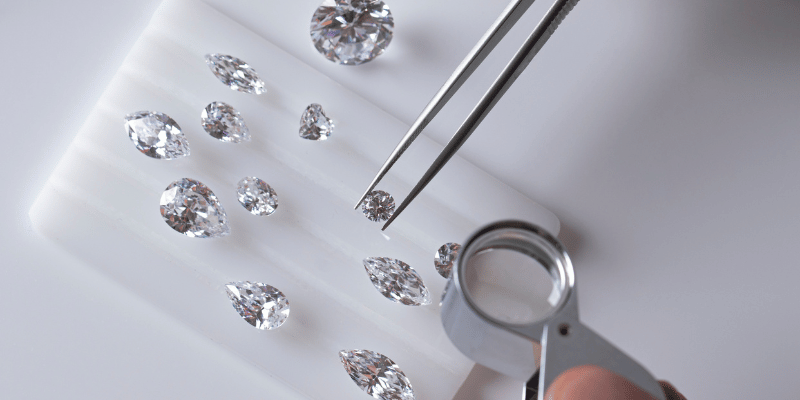
Standing for High Pressure High Temperature, a HPHT diamond exudes a mesmerising clarity and colour that rivals, or in some cases even surpasses, the appearance of natural diamonds. HPHT diamonds represent the pinnacle of luxury, and their durability and brilliance echoes the powerful forces of nature itself.
What’s the HPHT diamonds process
As the name suggests, HPHT diamonds are created by High Pressure High Temperature, a feat of engineering that brilliantly replicates the formidable conditions under which diamonds are naturally formed deep within the Earth. In this remarkable process, a tiny diamond seed and pure carbon is exposed to extreme pressures and temperatures, and the intense environment then transforms the carbon into a stunningly beautiful HPHT diamond.
How Do Lab-grown Diamonds Compare To Natural Diamonds?
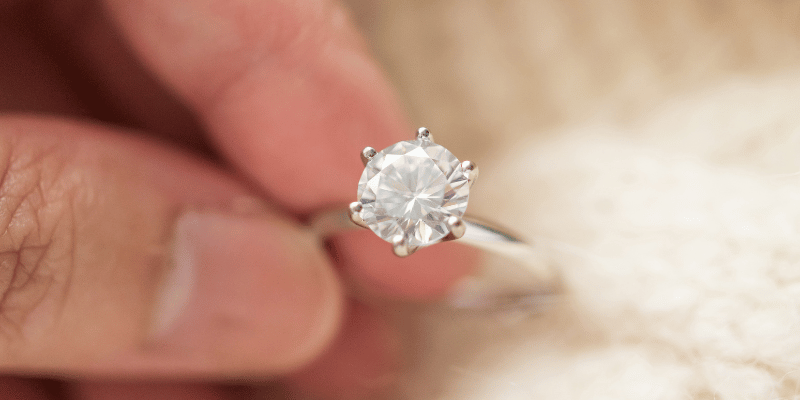
Now we are clear on the CVD diamond process and the HPHT diamonds process, how do these diamonds which are cultivated in controlled laboratory settings, actually compare to natural diamonds for
diamond earrings or
diamond engagement rings? You might be surprised to know that both methods produce diamonds of exceptional quality and brilliance, which to the naked eye is indistinguishable from mined diamonds. The only distinct differences between natural diamonds and those created by CVD and HPHT methods, are primarily at the molecular and process levels rather than in appearance and basic properties. For example:
* The creation process: Natural diamonds take billions of years to form under the Earth’s crust through natural geological processes, while lab-grown diamonds only take 6 to 10 weeks.
*
Inclusions and Impurities: When it comes to
diamond clarity, natural diamonds often contain unique inclusions and trace elements, such as other minerals or slight colour variations due to the presence of nitrogen or boron. HPHT diamonds may include metallic inclusions from the catalyst used in the process. CVD diamonds might exhibit flaws like striations or gas bubbles, which occur due to the specific gas deposition process.
* Type and Quality of Crystal: HPHT diamonds often start from a diamond seed and the process can lead to a more uniform crystal structure. CVD diamonds are grown atom by atom, which can result in fewer defects when the process is carefully controlled, creating diamonds that are very high in purity.
* Trace Elements and Crystal Growth Patterns: Advanced gemological tests can detect differences in crystal growth patterns and trace elements. HPHT diamonds may be able to be identified by a fluorescence pattern under UV light, or CVD diamonds might show a more distinct phosphorescence.
Despite these differences, both CVD and HPHT diamonds do share the same physical, chemical, and optical properties as natural diamonds, which in essence makes them perfect diamonds.
CVD Diamond Or HPHT Diamond Which Is Better?
Now it’s clear that there are no distinguishing differences between lab-grown diamonds and natural diamonds, it is also clear that there’s also very little difference between a CVD diamond and a HPHT diamond. Both varieties of lab-grown diamonds are crafted with such precision and care, that any differences at the microscopic level are virtually imperceptible without specialised equipment. The primary distinction lies in the diamond’s growth shape and the cost of production. CVD diamonds are typically grown in flatter, tabular shapes which may affect their initial rough form, but allows for more flexibility in cutting styles at potentially lower costs. In contrast, HPHT diamonds are often created in more cubic forms, which can resemble the classic diamond rough, potentially leading to higher production costs due to the intense conditions required for their formation. Whether you lean towards the unique characteristics of a CVD diamond or the robust traditional look of the HPHT diamond, your selection will no doubt reflect a deep appreciation for both the spectacular beauty and science behind these modern gem masterpieces.
Diamonds Are Forever…
Choosing either CVD or HPHT diamonds offer a fabulous alternative to natural diamonds. These lab-grown gems not only match the visual splendour, physical durability, and sparkling brilliance of mined diamonds, you will be opting for diamonds where beauty, quality, and sustainability can coexist harmoniously. Each lab-grown diamond in our collection showcases the perfect blend of artisan craftsmanship and cutting-edge technology, offering you a sustainable alternative that does not compromise on luxury.
Embrace the future of CVD and HPHT diamond fine jewellery with Diamonds Factory, where elegance meets conscientious choice.








 Unlock private sale access
 Birthday privileges
 Plus a world of exclusives, curated for you.


The allure of lab-grown gems such as the CVD diamond and HPHT diamond is captivating the hearts of a new generation, as these marvels of science and technology redefine the boundaries of modern jewellery. How lab-grown diamonds like these are made, is through innovative methods like Chemical Vapour Deposition (CVD) and High Pressure High Temperature (HPHT) which start off in a laboratory, and then the diamonds are named after the process in which they are created. Using state-of-the-art man made methods such as these, means that diamonds are not only identical to their mined counterparts in terms of beauty and structure, but they are more readily available, generally less expensive to purchase, are safer to procure, and the very idea behind the methods echo a commitment to sustainability and ethical practices. As lab-grown CVD and HPHT diamonds become a more ideal choice for those seeking jewellery that blends timeless elegance with contemporary values, they also represent a sparkling testament to scientific progress, offering a brilliant fusion of tradition and innovation in the world of fine jewellery.
While the popularity of CVD and HPHT diamonds and other lab-grown methods rises significantly, it also poses the question: which method produces the superior diamond?
White Gold Round Diamond Engagement Ring
$1,826
Round Diamond Engagement Ring
$1,569
Hidden Halo Diamond Engagement Rings
$2,281
White Gold Round Diamond Engagement Ring
$1,183
Trilogy Hidden Halo Engagement Rings
$4,322
Trilogy Hidden Halo Engagement Rings
$4,264
Hidden Halo Diamond Engagement Rings
$2,032
Hidden Halo Diamond Engagement Rings
$2,044
Difference Between CVT and HPHT Diamonds
What is a CVD Diamond?
How are CVD diamonds made
What is an HPHT Diamond?
What’s the HPHT diamonds process
How Do Lab-grown Diamonds Compare To Natural Diamonds?
Despite these differences, both CVD and HPHT diamonds do share the same physical, chemical, and optical properties as natural diamonds, which in essence makes them perfect diamonds.
CVD Diamond Or HPHT Diamond Which Is Better?
Diamonds Are Forever…
Embrace the future of CVD and HPHT diamond fine jewellery with Diamonds Factory, where elegance meets conscientious choice.